Let's be real about how recovery changes things
You had surgery. Or you're on new medication. Or you're healing from something that knocked out sensation where you used to feel everything. And now pleasure feels like trying to remember a song you used to love but can only half-hear.
That's not broken. That's biology doing its job.
When your nervous system is busy healing, it doesn't have bandwidth for pleasure the way it used to. Inflammation, nerve inflammation specifically, can dull sensation. Medication for pain management or hormone regulation can flatten arousal. Even the psychological weight of recovery.physical trauma makes reconnecting feel less like desire and more like obligation. This guide is for people rebuilding sensation and pleasure after something medical changed the landscape.
What actually happens to sensation during recovery
Your clitoris has 8,000 nerve endings. During recovery from surgery or serious illness, those nerves might be inflamed, compressed, or simply overwhelmed by other signals your body is sending. This isn't permanent. It's not even rare. But it does mean you can't jump back into what worked before and expect the same results.
Medications can also reshape sensation. Antidepressants, painkillers, antihistamines, and hormonal treatments all have documented effects on arousal and sensation. Some people describe it as numbness. Others say sensation is there but feels distant, like touching skin through thick fabric. A few report hypersensitivity where light touch becomes uncomfortable.
The psychological piece matters too. If recovery involved pain, your brain might have coded the area as dangerous. Even as physical healing progresses, your nervous system stays protective. Relearning what feels safe and pleasurable takes time.
Starting small with lemon vibrators during healing
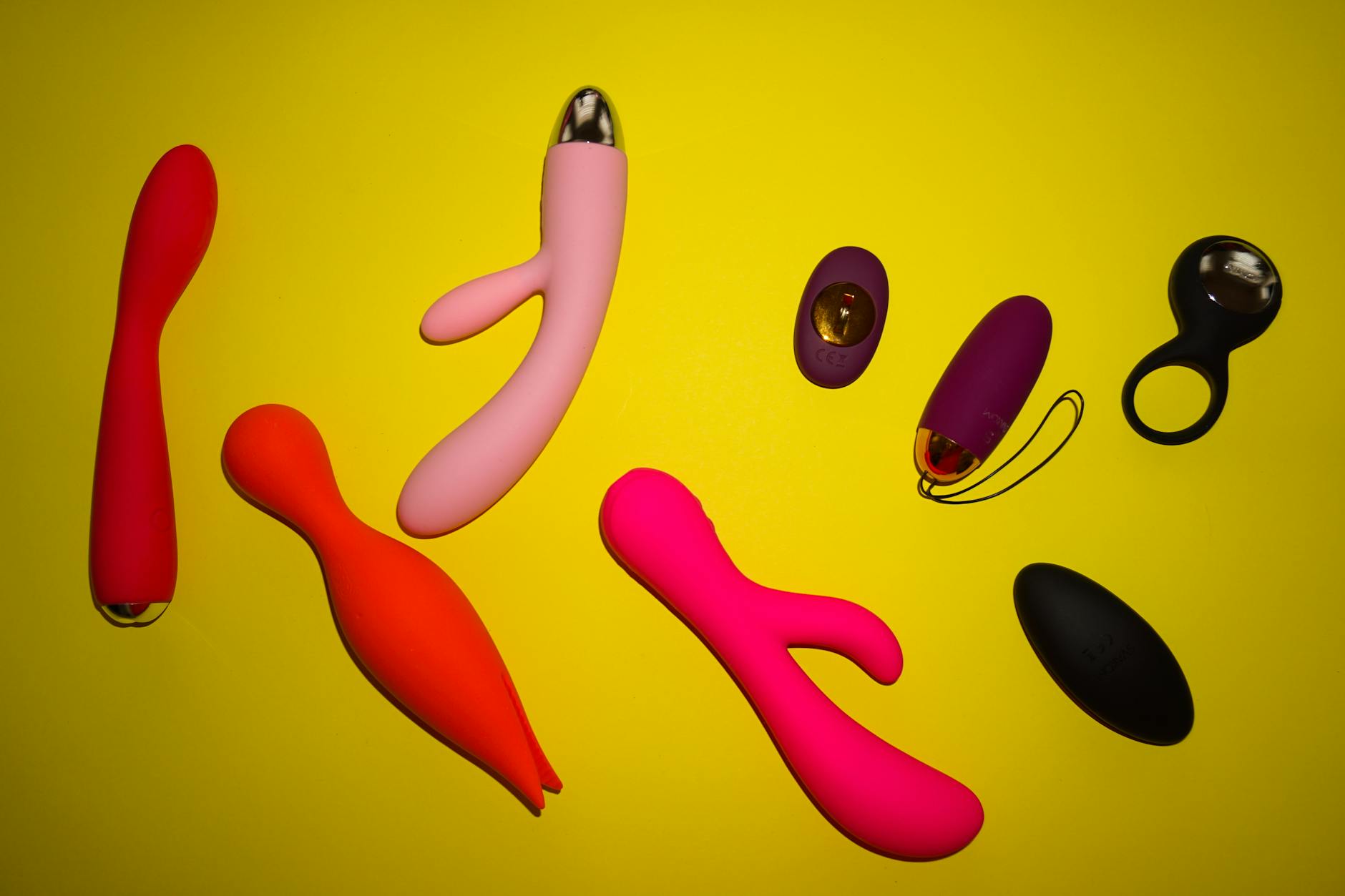
The genius of lemon vibrators, and especially air-suction devices like the Lem, is that they don't rely on sensation being sharp or fast. They work with gentleness.
Here's what I recommend to clients rebuilding after recovery.
Start with the lowest settings. If you're using a lemon clitoral vibrator with multiple intensities, spend your first week on pattern one, never progressing higher. Sensation needs time to wake up. You're not trying to orgasm yet. You're trying to rebuild the neural pathway that says "this touch is pleasurable, not painful."
Use warmth first. A heating pad on your lower abdomen for 10-15 minutes before any pleasure practice increases blood flow to the pelvic area and preps your nervous system. It softens the boundary between rest and arousal. Then introduce the lemon vibrator only after that warm-up.
Keep sessions short. Five to ten minutes is plenty. Your brain is still in recovery mode even if the surgical site is healed. Long sessions can trigger fatigue or that dissociative feeling where you're watching yourself from outside your body. Short, frequent check-ins work better than long stretched-out sessions.
Pairing with movement and breathing
During recovery, sensation often returns faster when you combine vibration with breath and subtle movement. This isn't complicated.
Before you start: lie down somewhere comfortable, place a pillow under your lower back, and spend two minutes breathing deeply.in through your nose for a count of four, hold for two, out through your mouth for four. This activates your parasympathetic nervous system, which is literally where pleasure lives.
Then begin with your lemon vibrator on the lowest setting. Instead of holding still, gently shift your hips or squeeze and release your pelvic floor in rhythm with the vibration. The micro-movements increase blood flow and give your nervous system something to focus on besides "is this supposed to feel good?"
Breathing during the session also helps. People in recovery often brace their breath, especially if the recovery involved pain. Conscious breathing tells your body "this is safe, we're not in protection mode."
When numbness persists.what to actually do
If sensation stays muted weeks into recovery and you've been cleared by your doctor, there are tactical steps.
First, talk to your prescriber about medication timing. Some meds that flatten sensation work the same whether you take them at 8 a.m. or 8 p.m. Shifting your pleasure practice to times when the drug is less active in your system can help. Never skip doses or change timing without asking your doctor, but asking "does it matter what time I take this" is a valid conversation.
Second, try alternating types of stimulation. If continuous vibration from a lemon clitoral vibrator feels numb, try pulsing modes. If external-only sensation feels distant, check with your doctor about whether gentle internal touch is safe, then try a different toy texture. Variety wakes up different neural pathways.
Third, bring a partner into the exploration if you have one. Sometimes sensation returns faster when someone else is directing the touch because you can fully relax instead of performing for yourself. The Lem and other lemon vibrators are partner-friendly. You can hand over control and focus on receiving.
Rebuilding confidence when pleasure was tied to trauma
Some recovery involves medical trauma.procedures that were painful, loss of bodily autonomy, feeling violated by necessary treatment. If that's your recovery, rebuilding pleasure is also rebuilding trust in your body.
This requires a gentler timeline. You're not just waiting for sensation to return. You're also rewiring what safety feels like. A lemon vibrator can be part of that, but not as a goal. Use it as a tool for reconnection, not achievement.
Set one boundary: you can stop anytime, for any reason, no explanation needed. Even to yourself. If something triggers the trauma response.a memory, a physical sensation, a sound.you pause. This autonomy is the actual healing work.
Consider working with a trauma-informed therapist alongside your physical recovery. They can help you distinguish between "this doesn't feel like sensation yet" and "this is bringing up old fear." Those are completely different problems that need different solutions.
How partners can help during sensation recovery
If you're recovering with someone, their role matters hugely.
Partners often either hover anxiously ("Tell me when you feel something!") or disappear completely out of respect ("I don't want to bother you"). Both backfire. The middle path is steady presence without pressure. That means.
Showup consistently but don't make it a project. Recovery takes weeks, sometimes months. A partner who suggests pleasure practice once a week but doesn't make it the focus of the relationship helps more than someone who treats it as urgent.
Ask permission before touch. Even if you're married, even if sex used to be automatic. During recovery, consent becomes the thing that says "you're safe" to your nervous system.
Pause if pain appears. Not all sensation recovery is gradual. Sometimes what feels like numbness suddenly becomes intense sensation or discomfort. Your partner should know this is possible and should never push through it.
Timeline expectations and when to get help
Most people recover sensation gradually over 6-12 weeks, depending on what recovery involved. Some drugs take longer to clear your system. Some surgery sites heal faster than others. Trauma recovery is its own timeline.
If sensation hasn't returned 12 weeks post-surgery or medication change, mention it to your doctor. Persistent numbness might indicate nerve involvement worth investigating. It might also mean your body needs a different approach than typical recovery timelines suggest.
If you're working with lemon vibrators and sensation stays completely absent, it's worth asking your prescriber about medication adjustment or asking your surgeon about nerve involvement. Sometimes the solution is a small tweak to your treatment plan.
FAQ. People Also Ask
Can I use a clitoral vibrator right after surgery?
Almost never immediately. Most surgical sites need 2-4 weeks before any sexual activity, and that timeline varies wildly by procedure. Ask your surgeon specifically about clitoral stimulation, not just "sex" (doctors often give different timelines for those). When you do resume, start with the gentlest settings on your lemon vibrator and watch for increased pain, bleeding, or discharge. Any of those is a sign to pause.
Why does my sensation feel dull even though I'm cleared to resume activity?
Your surgical site might be cleared, but your nervous system is still in recovery mode. Inflammation can persist even after visible healing. Additionally, fear and anticipation of pain can literally numb sensation.your brain won't let you feel pleasure in an area it coded as dangerous. Time and repeated gentle experience usually resolve this, but working with a pelvic floor physical therapist can speed it up. They can assess whether tightness, scar tissue, or nerve irritation is the culprit.
Can medication permanently change my sensation even after I stop taking it?
Rarely, but usually sensitivity returns after your body processes the medication out. However, some antidepressants and hormonal treatments can have longer tail effects. If sensation doesn't improve 4-8 weeks after stopping a medication, mention it to your doctor. There might be alternatives that don't flatten sensation as much, or your body might need more time.
Is it normal to feel disconnected from pleasure during recovery, even if sensation is returning?
Completely. Your brain is still in resource-preservation mode. Pleasure requires a certain amount of cognitive bandwidth and nervous system capacity. During recovery, your body's energy is going to healing. Feeling mentally or emotionally distant from pleasure while physically capable of it is standard. As healing completes, that disconnection usually fades. If it doesn't, talking to a therapist can help distinguish between normal recovery and depression or anxiety that needs specific attention.
Should I try to force sensation to return faster?
No. Pushing through numbness doesn't wake sensation up faster. It can actually retraumatize your nervous system or trigger pain responses that set healing back. Gentle, consistent, brief sessions work better than intense or longer ones. Think of it like physical therapy for sensation: small repetitions, consistency, patience. Your lemon vibrator is a tool for reconnection, not a challenge to overcome.
What if I have a partner and sensation recovery is affecting our intimacy?
This is worth a direct conversation before resentment builds. Say something like: "My body's still healing, and sensation is slower to come back than I expected. I want us connected, and I'm also not ready for [whatever intensity]. Can we explore what does work right now?" Most partners want to know the actual situation instead of guessing. Then try the partner-friendly approach mentioned earlier: handing control of a lemon vibrator to your partner, focusing on receiving rather than performing, and keeping the pressure off orgasm or specific outcomes. Intimacy during recovery is about presence, not performance.
Recovery isn't linear, and rebuilding sensation isn't something you should rush. Your body is wise, even when it's sending confusing signals. A lemon vibrator meets you where you are right now, not where you think you should be. That permission to go slow, to explore gently, to rebuild at your actual pace rather than an imagined timeline.that's where real reconnection starts.
If you're navigating recovery and want to talk through what's realistic for your specific situation, we're here. Reach out anytime.