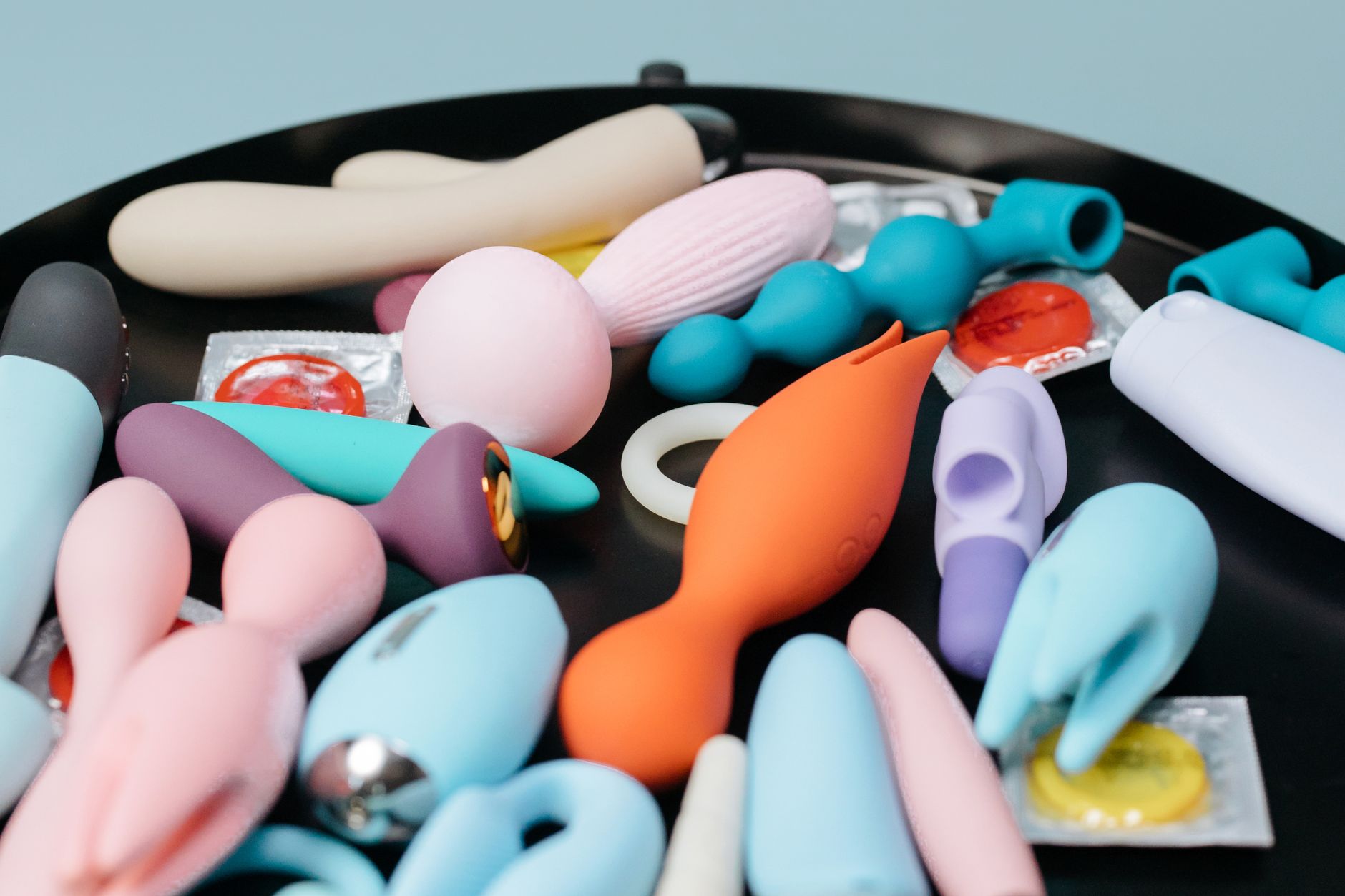
The pressure we don't talk about
Here's what nobody says out loud: you can feel rushed during solo play. Genuinely. The pressure isn't external anymore—it's the voice in your head telling you that you should be done by now, that you're taking too long, that something is wrong if orgasm hasn't happened in fifteen minutes. That voice kills more pleasure than anything else.
I work with clients who describe solo play as a task to cross off. "I'll use my vibrator for ten minutes before bed," they tell me, as if they're flossing. The sensation doesn't matter. The outcome is what matters. And that's when pleasure disappears entirely.
Why speed and pleasure are enemies
Your nervous system doesn't distinguish between external pressure and internal pressure. When you're timing yourself, checking the clock, or thinking "I need to come now," your brain activates a stress response. Cortisol rises. Blood flow pulls away from your genitals. Arousal actually declines. You can have the best lemon clitoral vibrator in the world, but no toy can override a nervous system that's in survival mode.
This is especially true if you've spent years having sex on someone else's timeline. If your twenties and thirties involved partners who wanted faster orgasms, or who made you feel like you were taking too long, that conditioning sticks around. Even alone, even when no one's waiting, you're still rushing. The ghost of that pressure lingers.
The good news: this is completely reversible. And lemon vibrators—specifically their gentle suction pattern—actually help reset this dynamic.
Why suction changes the conversation
Vibration mimics the old "I need results" energy. It's stimulating, fast, efficient. Suction is different. It works slower. It builds sensation gradually. When you use a clitoral vibrator like the Lem that relies on gentle pressure rather than rapid vibration alone, you're literally changing how your body experiences pleasure. It's not about speed anymore. It's about sensation.
I recommend starting at the lowest intensity and staying there for at least five to ten minutes. Not because you're broken or need training. Because you're retraining your nervous system to trust that pleasure doesn't need to be rushed. That it's safe to stay present without an end goal looming.
Creating actual unrushed time
This is the part that matters more than the toy itself. You cannot use a lemon vibrator—or any toy—without time pressure and expect to dissolve that pressure. You have to design it out of the situation.
That means: schedule it. Not in a clinical way. But genuinely block the time. An hour. Ninety minutes if you can. Not because you need that long to come, but because you need to know that no one is expecting you anywhere. Your partner isn't waiting. You don't have work emails to check. Nothing is pending.
This is counterintuitive for people who are used to squeezing pleasure into the gaps of life. But pleasure doesn't live in gaps. It lives in open space.
How to actually slow down once you start
Here's a concrete way to rebuild this. Start with foreplay that has nothing to do with your genitals. Touch your own arms, neck, shoulders. Feel fabric. Breathe. This isn't wasted time—this is the work. Your arousal doesn't start between your legs. It starts in your nervous system, in your sense of safety, in your permission to take your time.
When you do reach for your lemon vibrator, set it to the lowest setting. Most people jump to pattern three or four. Don't. Stay with one. Let your body adjust. You'll probably feel an urge to turn it up. Resist that. The urge itself is the old pressure—your nervous system still thinking faster is better. Prove to yourself that slower is different. Slower can be better.
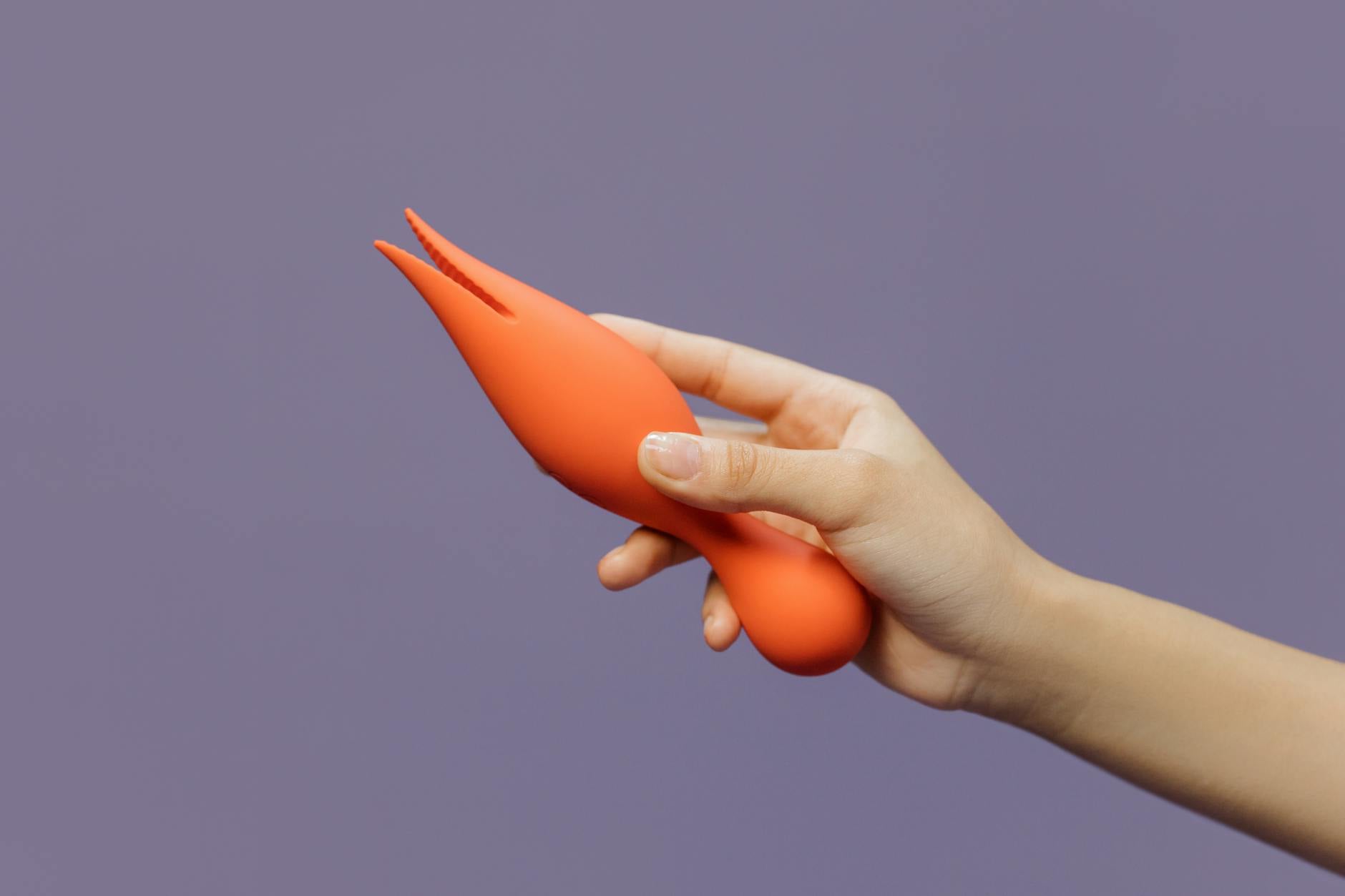
Photo by cottonbro studio on Pexels
If you feel yourself thinking "come on, finish," pause. Step back. This is the voice you're retraining. Every time you stop to acknowledge that voice, you're weakening its hold. You're teaching yourself that pleasure belongs to you, not to an invisible timer.
What changes when you actually slow down
After you've done this a few times—and it usually takes three to five sessions to feel the shift—something clicks. Orgasms often feel deeper, longer, more textured. Not because the vibrator is better, but because your nervous system is actually present. You're not spectating your own pleasure from outside. You're in it.
People also tell me that they start thinking about solo play differently. Instead of "I should," it becomes "I want to." The reframing is real. Once you've spent sixty minutes slowly exploring your own body without a deadline, hurrying through it feels actually painful in comparison.
The partner conversation
If you're in a relationship, it helps to be clear with your partner about what's happening. Not every detail, but the frame: "I'm taking more time for myself. This helps me feel better about our intimate life together." This isn't selfish. This is you returning to partnership with a nervous system that's not constantly stressed about pace.
Actually, partners often report that their joint intimate life improves when their partner starts having unrushed solo play. You come back to them more present. Less resentful. More available. The energy shifts.
Reframing solo play as relationship maintenance
Here's what I want you to hear: this isn't indulgent. This isn't taking away from your relationship or your partner's access to you. This is you maintaining the nervous system that shows up in intimate moments. When you're relaxed and present in your own body, you're more relaxed and present with someone else.
Solo play with a tool like a lemon clitoral vibrator, done slowly and without time pressure, is actually foundational work. It's relationship therapy you do alone. It's teaching your body that pleasure is safe, that it doesn't need an external audience, that it doesn't need to perform.
That's not separate from partnership. That's the bedrock everything else is built on.
What to do if pressure creeps back in
It will, sometimes. You'll have a day where you feel the old urge to rush. That's normal. Notice it. Maybe that day you skip solo play entirely. Maybe you do it for five minutes instead of thirty. The point is: you're choosing. You're not forcing. Forcing is how pressure got there in the first place.
Over time, the habit of slowness becomes automatic. You pick up your vibrator and your nervous system already knows: we're taking our time. And that permission, more than anything else, is what transforms pleasure from a task into something that actually nourishes you.
People also ask
How long should solo play actually take?
There's no rule. Some people finish in fifteen minutes. Others take an hour. The magic isn't the duration—it's whether you decided the duration, not the clock. If you have twenty minutes and you relax into those twenty minutes, that's fine. If you have ninety minutes and you're anxious about wasting time, that's a problem. Listen to your body and your nervous system, not a preset number.
Can lemon vibrators actually help with this, or is it just psychology?
Both. The design of a lemon clitoral vibrator—especially ones that use suction rather than pure vibration—creates a slower, more gradual build of sensation. That physical reality supports the psychological work you're doing. You're not faking it. The toy is literally facilitating a different nervous system state. The tool and the mindset work together.
What if I still feel rushed even with lots of time?
That's a sign the pressure is really deep. Consider working with a therapist who specializes in sexuality or somatic work. Sometimes what feels like solo pleasure pressure is actually a larger nervous system pattern—maybe you rush through most things, not just sex. A professional can help you understand where it comes from and how to shift it at the root.
Is it normal to not want solo play if there's no time pressure?
Yes. For some people, the permission to slow down actually reveals that they don't particularly want solo play—they were doing it out of obligation or because they thought they should. That's useful information. You're allowed to not want something. The goal isn't to love solo play. It's to know what you actually want versus what you feel pressured to want.
How do I explain this to a partner without making them feel excluded?
Be honest: "I'm working on something with myself that I think will help our intimacy. I need some unrushed time alone." A partner who loves you will get it. If they don't, that's worth examining. Healthy relationships include space for solo exploration. That's not a threat to partnership—that's a sign of trust.
Does slower solo play actually change how I respond with a partner?
Often, yes. When your nervous system knows that pleasure doesn't need to be rushed, you show up differently with someone else. You're more present. Less goal-focused. More able to enjoy sensation for its own sake. Some people find their partnered intimacy actually deepens because one person in the relationship is less anxious about performance and timing.
The work you do alone isn't just for you. It ripples into everything else.
Start here
If you take nothing else from this: schedule ninety minutes this week when you know you won't be interrupted. Set a low-intensity lemon vibrator to its gentlest setting. Spend time touching yourself slowly, everywhere. Notice where you want stimulation and where you don't. Let your body guide you instead of a clock.
You might not come. You might feel awkward the first time. That's fine. You're resetting something that was trained into you over years. It takes time.
But I promise you: the moment you stop watching the clock, something shifts. Pleasure stops being a performance and starts being an experience. And that changes everything.