Let's be real about what parenting does to your solo time
Somewhere between diaper changes, school pickups, and negotiating bedtimes, your body stops belonging to you. That's not melodrama. That's neurology. When you're in constant vigilance mode, your nervous system doesn't have bandwidth for pleasure. Solo time becomes something you schedule between tasks, not something that actually feels good.
Then one day your youngest sleeps through the night consistently, or you get an actual hour alone, and you realize: you don't remember how to just feel something for yourself anymore.
Why restarting feels harder than starting fresh
There's a weird psychological hurdle here. New parents often feel guilty about pleasure because they're supposed to be all-in on caregiving. So by the time you have time again, there's this layer of permission you need to grant yourself first. Your body might also feel unfamiliar. If you spent years prioritizing everyone else's needs, your own physical sensations kind of fade into the background.
Add in the fact that after years of not-quite-presence during sex with a partner, your solo nervous system can feel almost sluggish. Arousal takes longer to build when you haven't been checking in with it regularly. That's not broken. That's just what happens when a system goes into conservation mode.
Lemon clitoral vibrators like the Lem are designed exactly for this: they work with your body's actual arousal timeline instead of trying to speed it up.
Starting with intention, not performance
The single biggest shift I see with clients rebuilding solo pleasure is moving from "I should do this" to "I want to feel something." That sounds small. It's actually everything.
Pick a time when you're not squeezing in a quick session between tasks. Twenty minutes, ideally. Not because you need that long to finish, but because you need that long to actually settle into your body. If you're checking the clock, your nervous system knows it.
Start without the vibrator. Spend five minutes just noticing what you feel. Your skin, your breath, where you hold tension. This isn't foreplay in the traditional sense. It's reacquaintance. Your body has been running on autopilot for years. It needs to remember that you're paying attention again.
Using lemon sexual toys to rebuild sensation awareness
Lemon vibrators work beautifully for this because they use gentle suction rather than direct vibration. If your clitoris feels numb or overstimulated from years of rushed touch, suction brings sensation back differently. It's less aggressively intense than traditional vibrators while still being genuinely effective.
Start on the lowest setting. The Lem has a range of patterns and intensities, but you're not trying to reach an orgasm as fast as possible. You're trying to remember what pleasure feels like when you're actually present for it.
Many clients find that the first few times, they don't orgasm. That's completely normal and absolutely not a sign something is wrong. Your nervous system is recalibrating. You're learning to trust your body again. That trust is worth more than the orgasm itself.
The rhythm that actually works for rebuilding
Here's what helps: use lemon clitoral vibrators 2-3 times a week, not daily. This gives your nervous system time to integrate the sensation and build anticipation. You're not trying to squeeze pleasure into an already packed schedule. You're creating a small ritual where you show up for yourself.
Many parents who've been running on empty report that the third or fourth session is when something shifts. The guilt quiets down. Your body starts to respond more readily. You remember that you're a person with desires separate from keeping everyone else alive.
Variety matters too. One session, spend time on the lowest settings and really explore what feels good about the sensation itself. Another session, maybe you move through the intensity levels more quickly. You're learning your body's preferences again, which is honestly the whole point.
Navigating the emotional piece
When you've spent years in survival mode, pleasure can feel selfish. Even when you intellectually know it's not. Your body might start to respond, and your brain says "but you should be doing laundry right now." That's the parenting loop talking, not actually your priority.
One thing that helps: reframe solo time as maintenance, not indulgence. Your nervous system needs to know that rest and pleasure are possible. That information travels through your whole body, making you calmer, more present, actually better at everything else you do.
When guilt comes up during a session, don't fight it. Just notice it and keep going. The guilt doesn't get less loud by avoiding pleasure. It gets less loud by choosing pleasure anyway, repeatedly, until your nervous system learns that this is allowed.
Why lemon sucker devices help when you've been touched out
If you've spent years with your body being accessed for feeding babies, carrying kids, being touched when you didn't ask for it, direct vibration can feel too aggressive. Suction is gentler but still deeply stimulating. It's particularly helpful if your body has gotten defensive about touch.
The Lem's design means you control exactly where the sensation is and how intense it gets. You're not negotiating with a partner. You're not performing. You're just exploring what feels good to you, on your schedule.
Building back to confidence
After a few weeks of consistent solo time, most people report a shift. Arousal comes faster. Your body feels like it's yours again. Your vulva has more sensitivity. Orgasms, when they come, feel more present instead of like you're watching them happen from a distance.
Then something interesting happens: that confidence often translates to partnered sex too. When you remember what feels genuinely good to you, you can actually ask for it. You stop performing and start participating.
Solo pleasure isn't a warm-up act for partnered sex. It's essential nervous system maintenance that happens to also feel really good.
The timeline is slower than you think, and that's okay
If you've been in parenting mode for five years, don't expect everything to reset in five weeks. Your nervous system is patient but thorough. Some clients take three months before they feel fully reconnected. Some take longer. That's not a failure. That's integration.
Keep showing up for yourself even when it feels mechanical at first. Your body will catch up. It's not broken. It's not damaged. It's just been in conservation mode. Conservation mode can end whenever you decide it does.
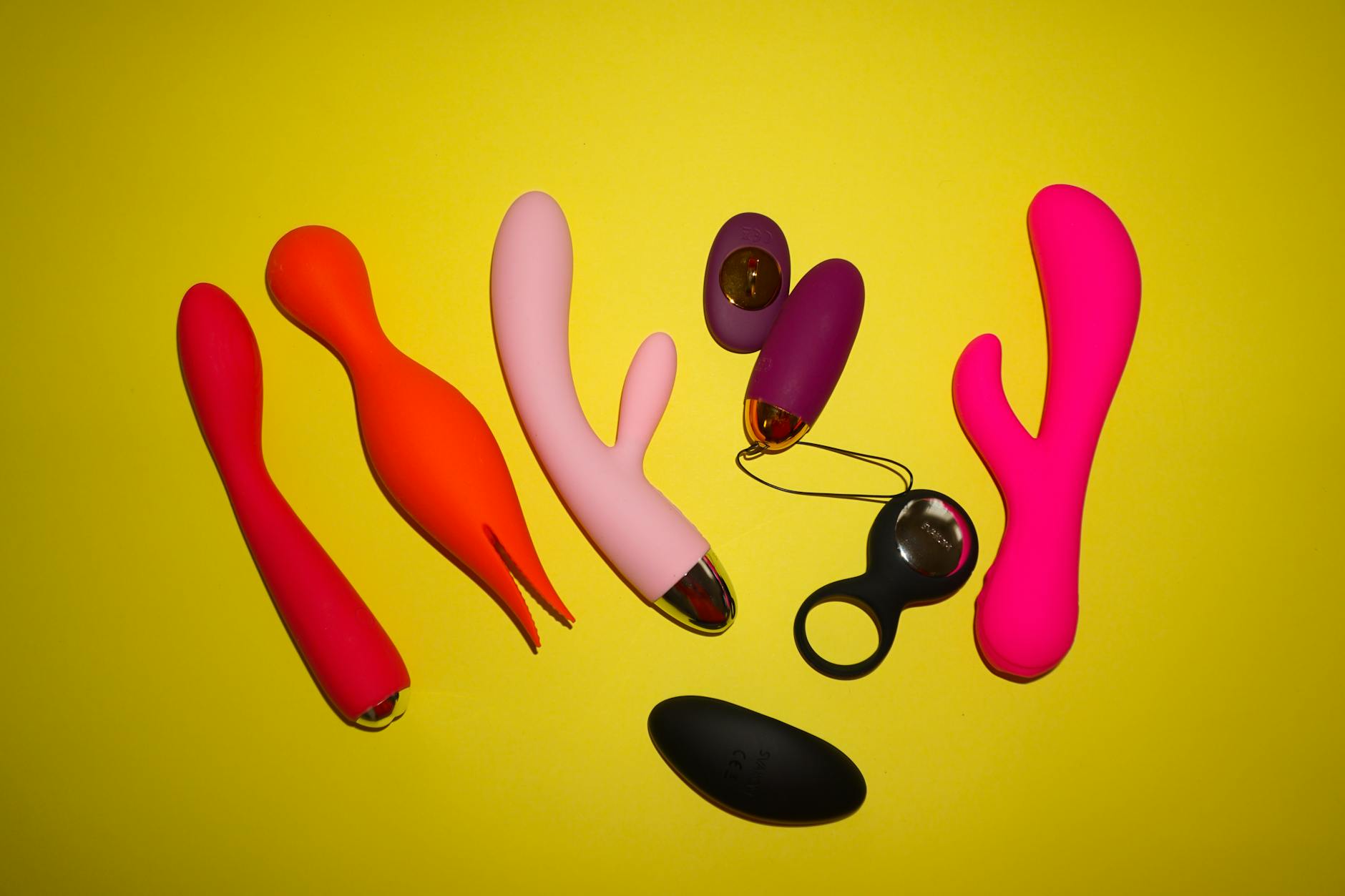
Photo by DRT.fm on Pexels
Common questions about rebuilding solo pleasure
How often should I be using lemon vibrators if I'm just starting again?
Three times a week is the sweet spot. It's frequent enough that your nervous system starts to anticipate it and respond more readily, but not so frequent that it becomes another obligation. If you're feeling like you need to use a clitoral vibrator every day, you might be in performance mode again. The goal is presence, not frequency.
Will using a vibrator make partnered sex less satisfying?
Actually, the opposite often happens. When you know what you like from solo exploration, you can communicate that to a partner. You're not relying on them to guess. You're more present during partnered sex because you're not focused on whether you're feeling the "right" things. You already know what you like.
What if I'm still feeling guilty about taking time for myself?
That guilt is your parenting nervous system protecting you. It learned that your needs came last. You can acknowledge that pattern without acting on it. Try saying out loud: "I deserve to feel good." Then use your lemon vibrator anyway. Say it every time if you need to. Your nervous system will slowly believe it.
Can I use lemon sexual toys if my partner doesn't know about them?
Yes. Solo pleasure is yours alone. If you eventually want to share it with a partner, that's a separate conversation. But this time right now is for you to reconnect with your body without any audience or expectations. That privacy is important for rebuilding confidence.
What if I still don't orgasm after several weeks of trying?
You might not be ready for orgasm as the goal yet. Some people need several months of non-goal-oriented exploration before orgasm feels accessible again. That's not a problem. You're building sensation awareness and nervous system trust, which is actually more valuable than the orgasm itself. The orgasm will follow once you're truly present.
How do I know if a lemon clitoral vibrator is right for me versus another type of toy?
Lemon vibrators use gentle suction rather than direct vibration, which makes them excellent for people who've been touched out or who need to ease back into sensation. They're also very intuitive to use solo because you have total control over intensity. If you're not sure, start there. You can always explore other options later.
One more thing
Your body remembers what pleasure feels like even if your mind has forgotten. Solo time with a tool like the Lem isn't selfish. It's maintenance. It's telling your nervous system that you're allowed to feel good. That information matters more than any single orgasm. When you commit to rebuilding that connection, everything else shifts.
If you're ready to explore, the best time to start is now. Not when the kids are older. Not when you have "more time." Now, with whatever time you can carve out. Your body is waiting.